
Expert charges Insurance Journalists to prioritise mental health, avoid burnout
Kindly leave a comment and share
Chuks Udo Okonta
Journalists operating in high-stakes environments like Nigeria have been strongly urged to recognise the symptoms of stress and potential burnout to maintain mental and physical well-being.
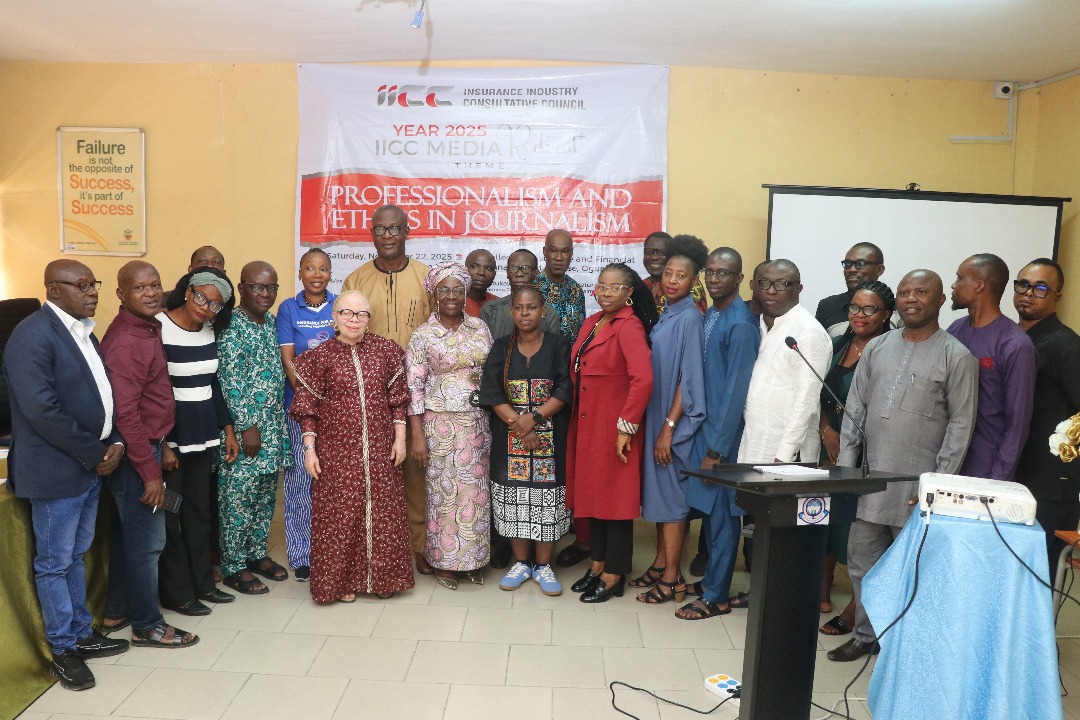
Dr. Tunde Jesusina, Director of Medical Science at the Federal Polytechnic, Ilaro, gave this charge at a recent training session organised by the Insurance Industry Consultative Council (IICC) for insurance journalists at the College of Insurance and Financial Management, Ogun State.
Speaking on the topic, “Beyond the Byline: Managing Burnout in Nigerian Journalism,” Dr. Jesusina clarified that burnout goes beyond mere stress, highlighting its progression into three critical dimensions of exhaustion:
*Emotional, Physical, and Mental Exhaustion.
*Increased Mental Distance or Cynicism toward professional duties.
*Reduced Professional Efficacy and Effectiveness.
The ‘Nigerian Factor’ as a Catalyst
Jesusina identified the unique combination of challenges in the country as a “perfect storm for burnout.” These include:
*Economic Pressure: Constant financial strain due to low remuneration and high cost of living.
*Information Overload: The unrelenting demands of the 24/7 news cycle and speed.
*Security Risks: Physical danger and threats to personal safety inherent in reporting.
*Poor Conditions: Lack of necessary resources, proper support, and adequate facilities in newsrooms.
Identifying Warning Signals
The expert detailed critical physical, emotional, and behavioural indicators of burnout: Physical & Emotional Signs: Chronic fatigue, frequent illnesses, sleep disruption, anxiety, irritability, and feelings of helplessness or defeat.
Behavioural & Work-Related Signs: Cynicism and detachment, procrastination, difficulty concentrating, substance reliance, and withdrawal from colleagues and social circles.
Building Long-Term Resilience
To achieve long-term resilience, journalists must actively rebuild their personal foundation:
Protect Sleep: Recognise rest and recovery as non-negotiable.
Physical Activity: Engage in physical movement for mental health benefits.
Reclaim Identity: Dedicate time to hobbies and life outside the newsroom.
Mental Grounding: Practise mindfulness and spiritual grounding (prayer).
Seek Help: View therapy and professional counseling as sources of strength.
Institutional and Peer Support Mandate
Jesusina charged journalists to embrace peer support and advocate for better industry standards.
He advised news professionals to “Advocate for Yourself,” communicating needs and boundaries clearly to management. Furthermore, Peer Debriefing is essential to process trauma and difficult experiences with trusted colleagues.
Finally, the expert stressed that institutions have a Duty of Care to their staff, noting that media houses must:Pay living wages commensurate with the economic environment; provide necessary safety and trauma training;
ensure realistic workloads are assigned to staff and actively remove the stigma associated with seeking mental health assistance.
The Nigeria Union of Journalists (NUJ) Can:Champion mental health awareness initiatives by organising specialised workshops and support groups; negotiate and push for better working conditions industry-wide and provide readily accessible resources for members.